Food Services
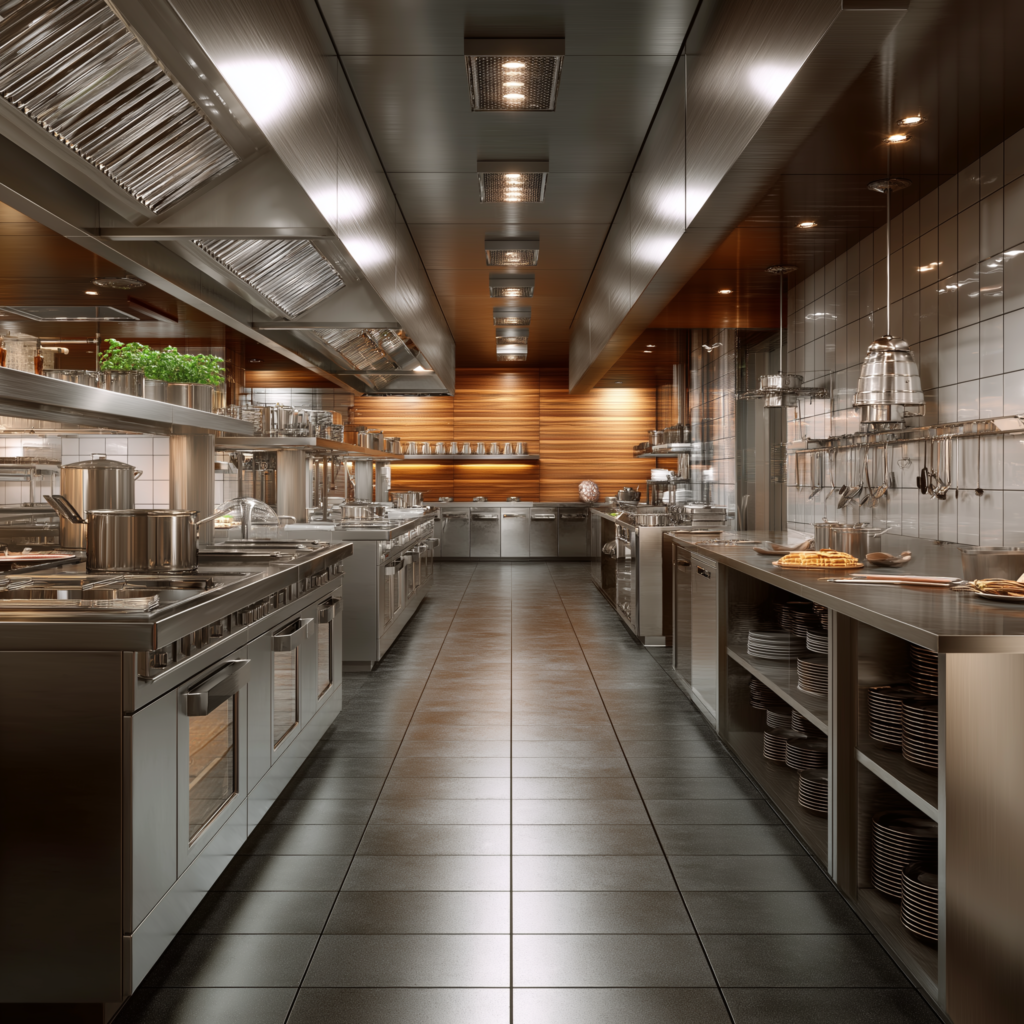
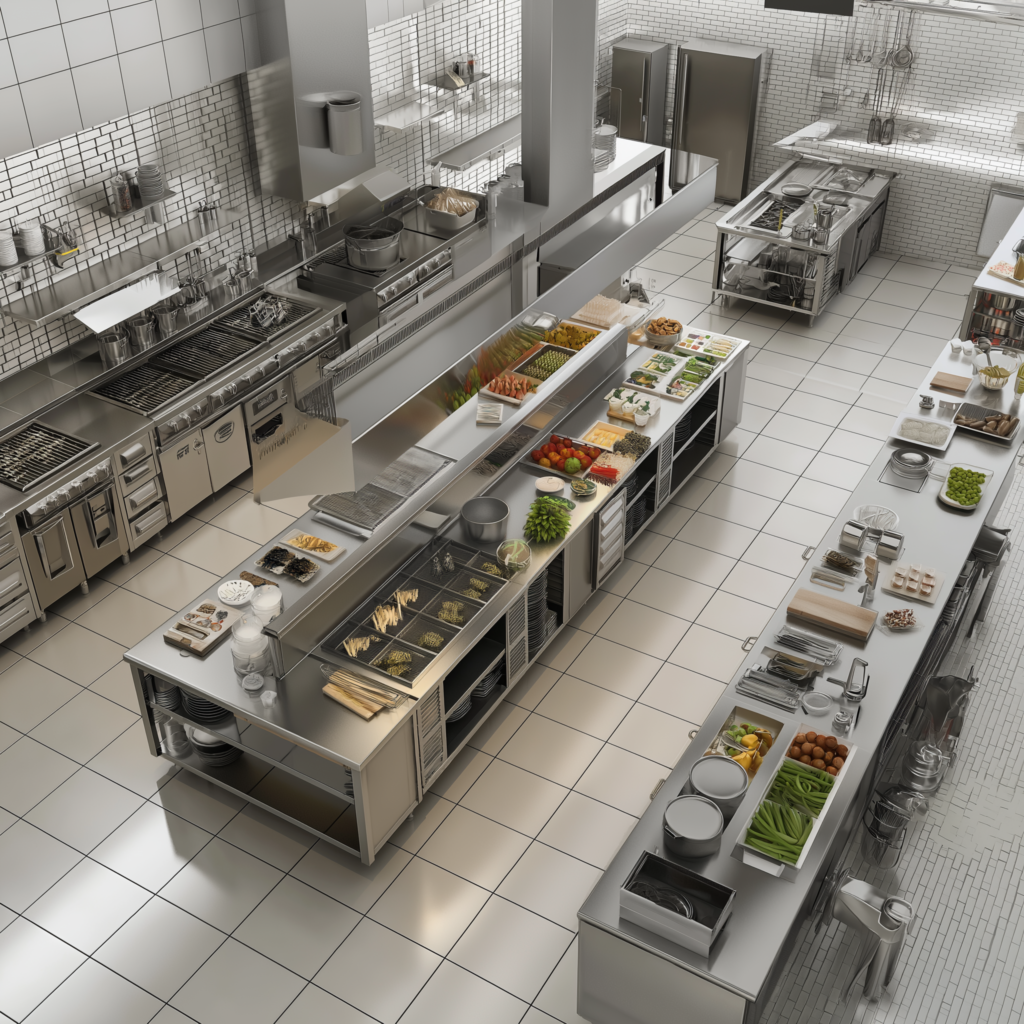
Why Cleaning a Commercial Kitchen Is Critical
Commercial kitchens operate for long hours under intense usage. Without disciplined cleaning and maintenance, both safety and performance are quickly compromised.
Grease, oil, and food residue reduce the effectiveness of appliances. For example, grease buildup on stove grates prevents even heat distribution and increases the risk of fire. Poor maintenance shortens equipment lifespan and raises replacement and repair costs.
Accumulated grease on stoves, hoods, and exhaust systems is one of the leading causes of kitchen fires. Regular, thorough cleaning significantly reduces this risk and protects both people and property.
Neglected surfaces invite bacterial growth and cross-contamination. Unclean sinks can develop lime scale, mineral deposits, or rust, becoming contamination points rather than cleaning stations. Consistent hygiene practices are essential to meet food safety standards and protect guests.
Commercial kitchens are subject to strict health and safety regulations. Poor cleanliness can lead to failed inspections, penalties, or closures—damaging trust built with customers and authorities.
In busy kitchens, small issues can go unnoticed until they disrupt service. Structured cleaning ensures smooth operations, reduces downtime, and supports staff confidence.
In summary, cleaning a commercial kitchen is not routine housekeeping—it is a risk management and quality assurance function. Clean kitchens protect food safety, extend asset life, prevent hazards, and uphold the credibility of the business.
Outdoor Caterers
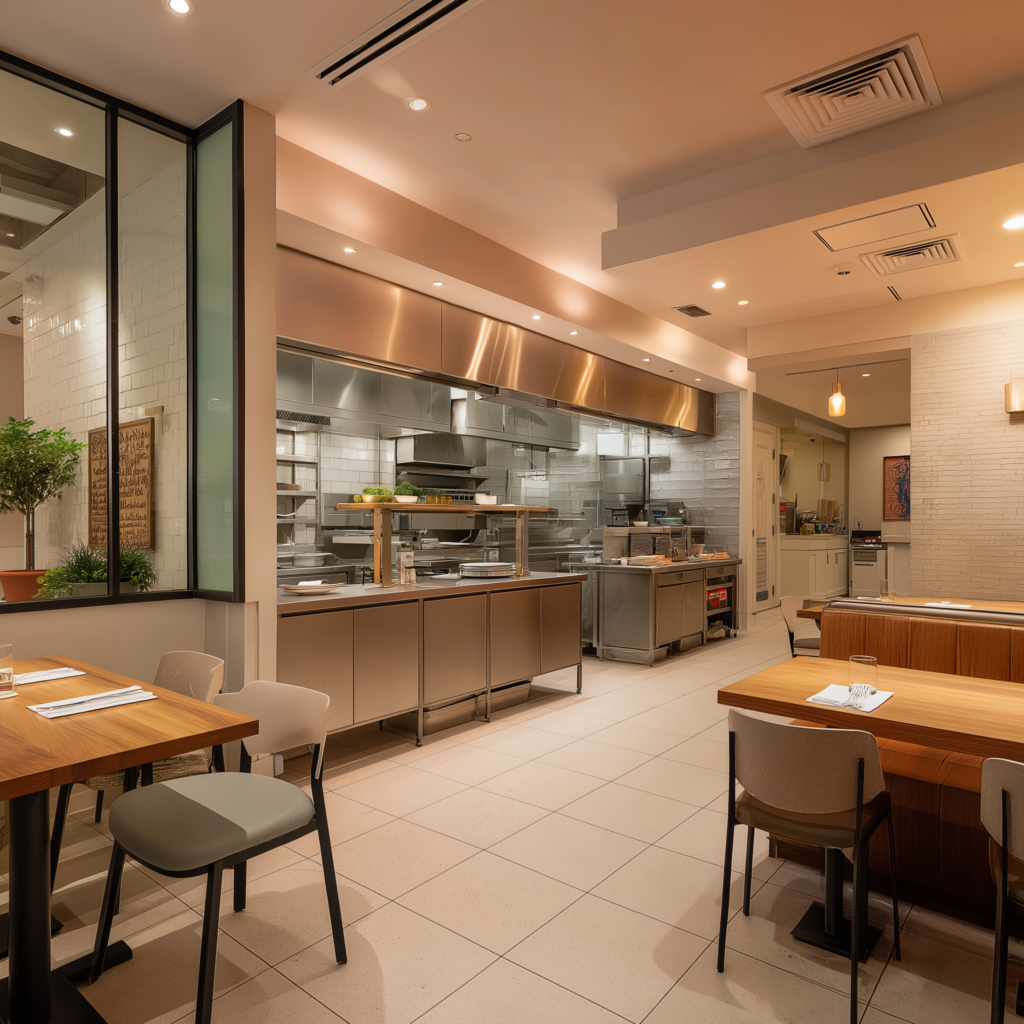
Small Restaurants
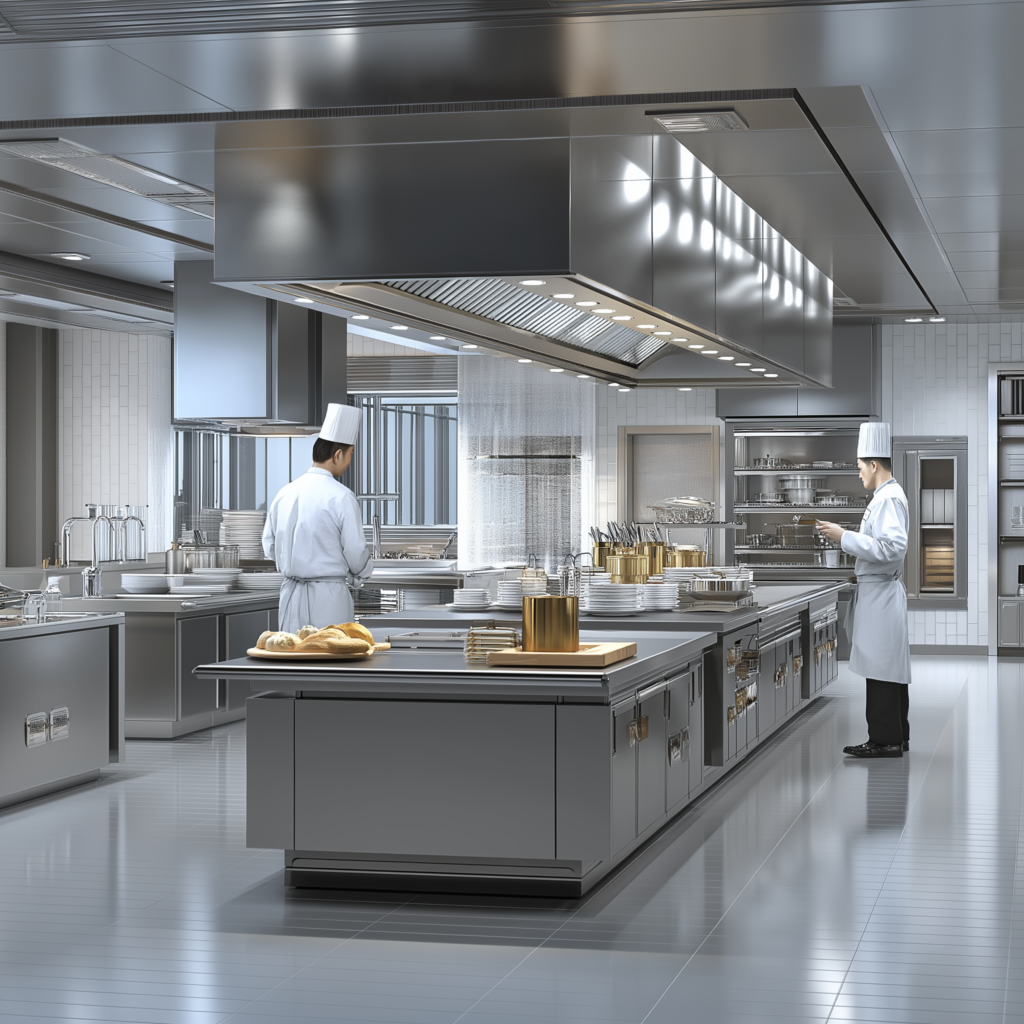
Fine Dining Restaurants
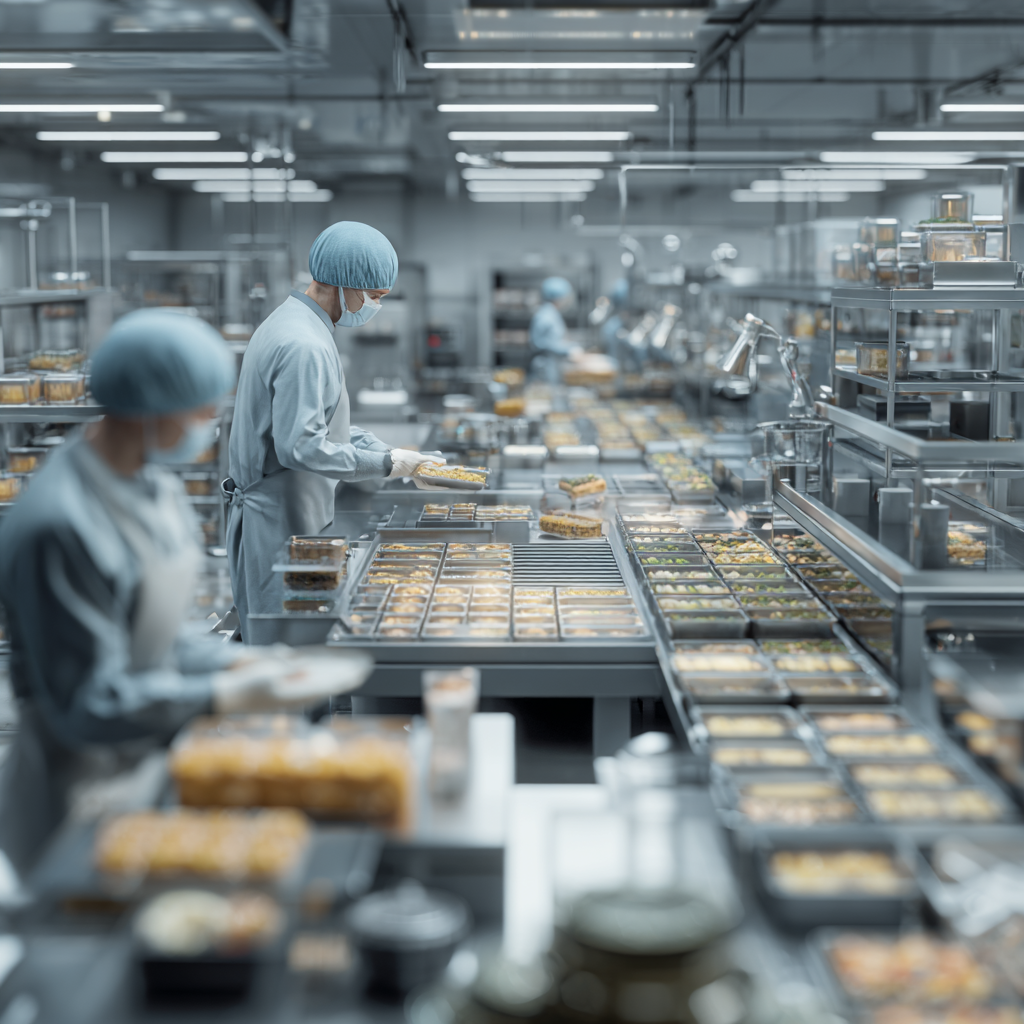
Industrial Mess & Kitchens
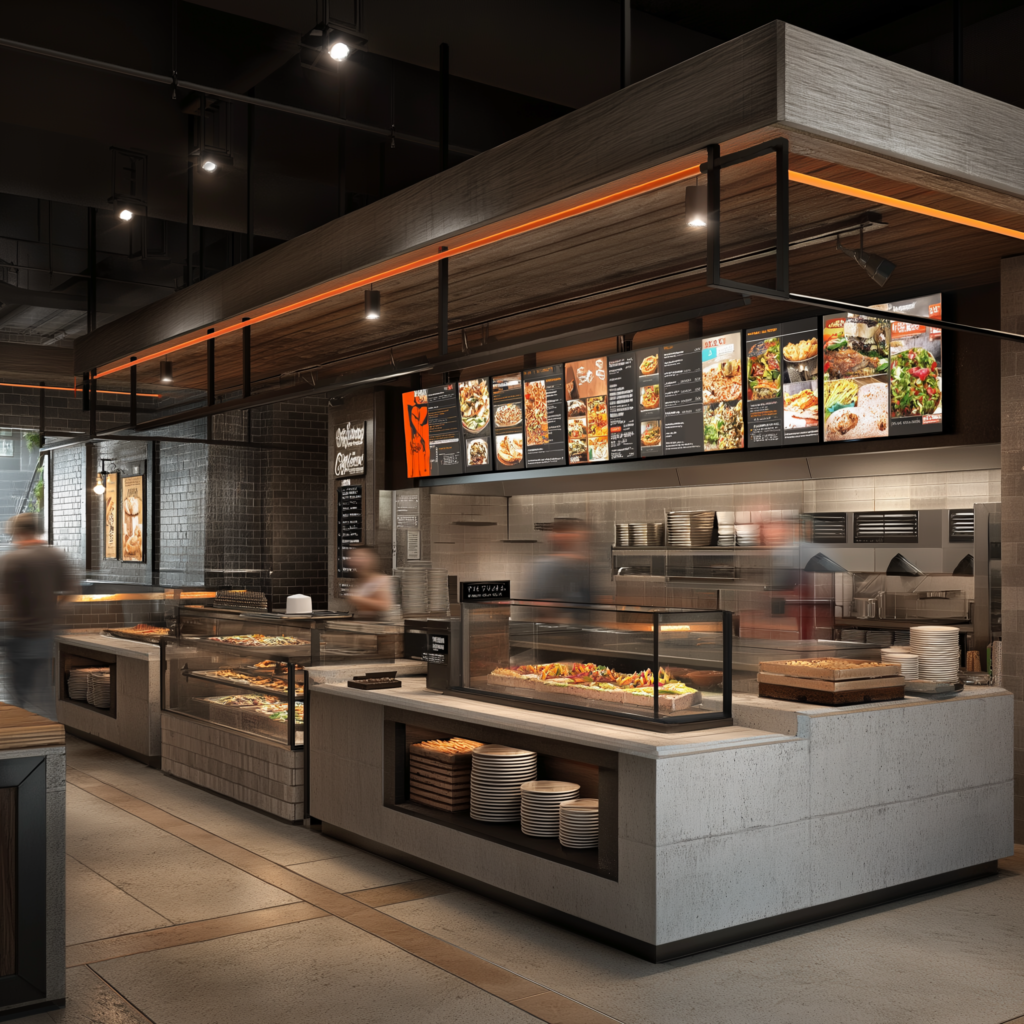
QSR & FSR Kitchen
Flight Kitchen